

Lawn care tips
When to stop mowing for the year in Boerne and San Antonio
By the Lawn & Order crew · · 3 min read
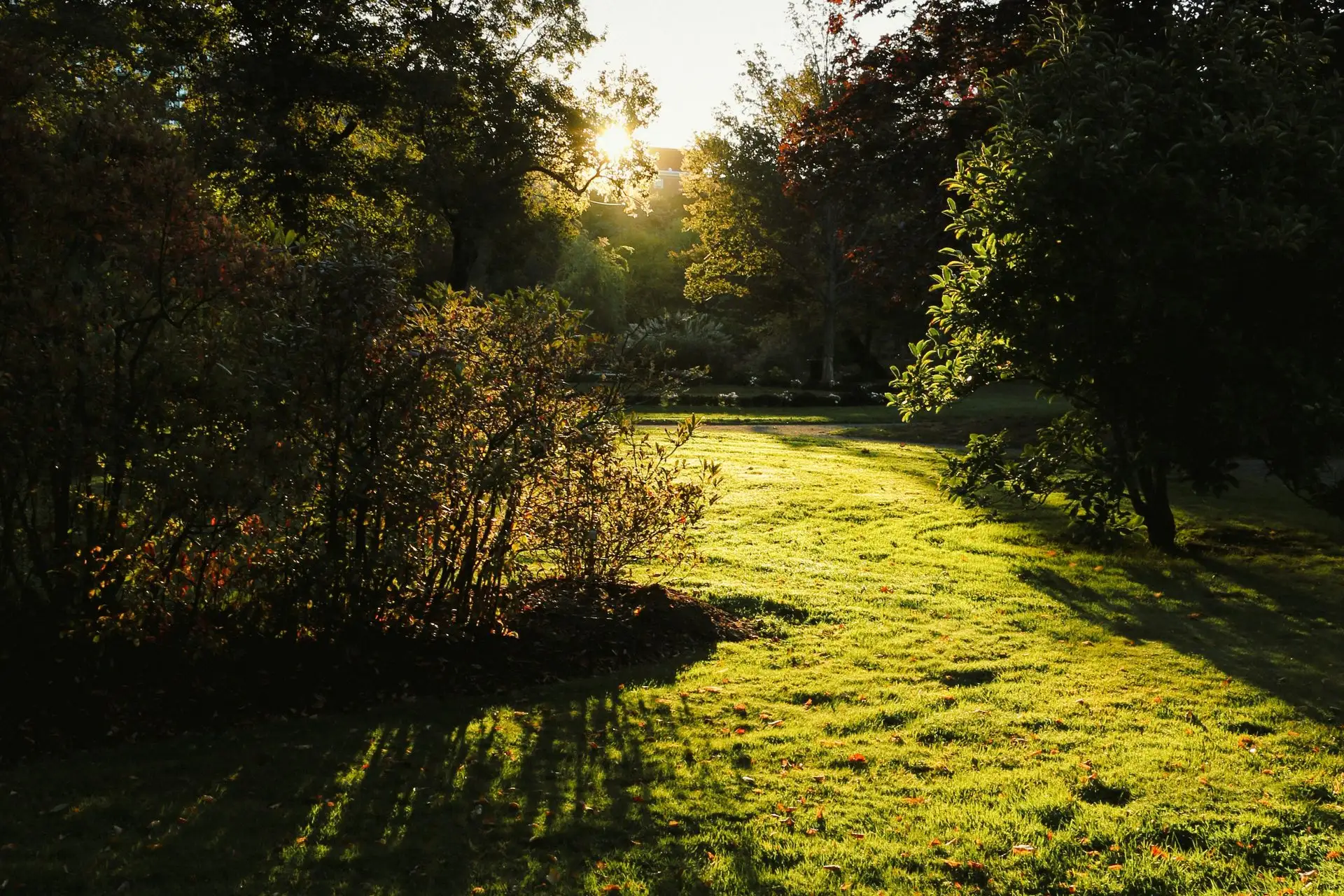
By the end of October we start hearing the same question on our routes: when can I stop paying for mowing this year? The answer depends less on the calendar and more on the weather, and the weather around Boerne does not always agree with the weather in San Antonio.
Grass stops when the cold says so
St. Augustine and Bermuda are warm season grasses. They slow down as nights cool in October and November, but they keep growing, slowly, until a freeze knocks them into dormancy. Once they go tan, growth mostly stops until spring.
That first freeze moves around a lot from year to year. On average, San Antonio sees it in late November. Boerne sits higher and cools off faster at night, so it often gets one earlier. The low spots and creek bottoms in Fair Oaks Ranch and around Leon Springs can frost when the rest of the neighborhood does not. The National Weather Service office for Austin and San Antonio posts freeze warnings and seasonal outlooks if you want to watch for it.
Until that happens, the lawn is still growing, and skipping cuts lets it get shaggy going into winter.
Keep the height where it is
The biggest fall mistake we see is the “last short cut.” It feels tidy to scalp the lawn down before winter. It works against you in two ways.
First, the grass blade is where the plant makes the energy it stores in its roots for spring. Cut it off right before dormancy and the lawn has less to work with in March.
Second, short grass lets light reach the soil. That is exactly what henbit, chickweed, and annual bluegrass seeds need to sprout. They germinate as the soil cools in fall, and a scalped lawn hands them the space.
Keep St. Augustine at its normal tall height. Bermuda can stay at its usual summer height too. The lawn goes into winter thicker and comes out greener.
What winter mowing is for
Once the lawn is dormant, you are no longer really cutting grass. You are managing weeds and leaves.
Winter weeds grow all through the cool months. If they flower and set seed, you get more next year. A light pass every few weeks keeps the tops cut down before they go to seed.
Then there are the leaves. Cedar elm, pecan, and red oak drop through November and into December. Wet leaves left on dormant grass hold moisture against it, which can lead to disease and thin spots. A mower pass that chops light leaf cover into the turf, or a cleanup when the drop is heavy, keeps the lawn breathing. We wrote more about this in when to mulch and when to bag leaves.
That adds up to roughly one visit a month for most yards from December through February. Heavily treed lots may want more during peak leaf drop.
Warm spells in winter
Hill Country winters are not steady. A week of 75 degree days in January is common enough. St. Augustine in sheltered spots may green slightly and grow a little during those stretches. That is fine. A light cut is all it needs if it gets uneven. Do not take a warm spell as a sign that spring is here and start feeding or watering heavily. Another freeze usually follows.
The last cut of the season
When you can see the lawn has stopped growing, usually after one or two frosts, do one last full mow at normal height, edge everything clean, and blow off the beds and hardscape. That leaves the property looking sharp for the holidays and sets up an easy start in spring.
It is also a good time to take care of your mower. Sharpen or replace the blade so it cuts clean in March, and run the fuel down or add stabilizer if it will sit for months.
How our plans handle it
Our recurring maintenance plans are month to month, and most clients step down from biweekly to monthly or as needed once the lawn goes dormant. We keep an eye on leaf drop and winter weeds and adjust from there. When the lawn wakes up in spring, the schedule goes back to normal. Clients in Boerne often step down a little sooner than those in central San Antonio, since the cold arrives earlier.
Want to set your winter schedule? Call us at (210) 816-3562.