

Lawn care tips
Fall leaf cleanup in the Hill Country: when to mulch and when to bag
By the Lawn & Order crew · · 3 min read
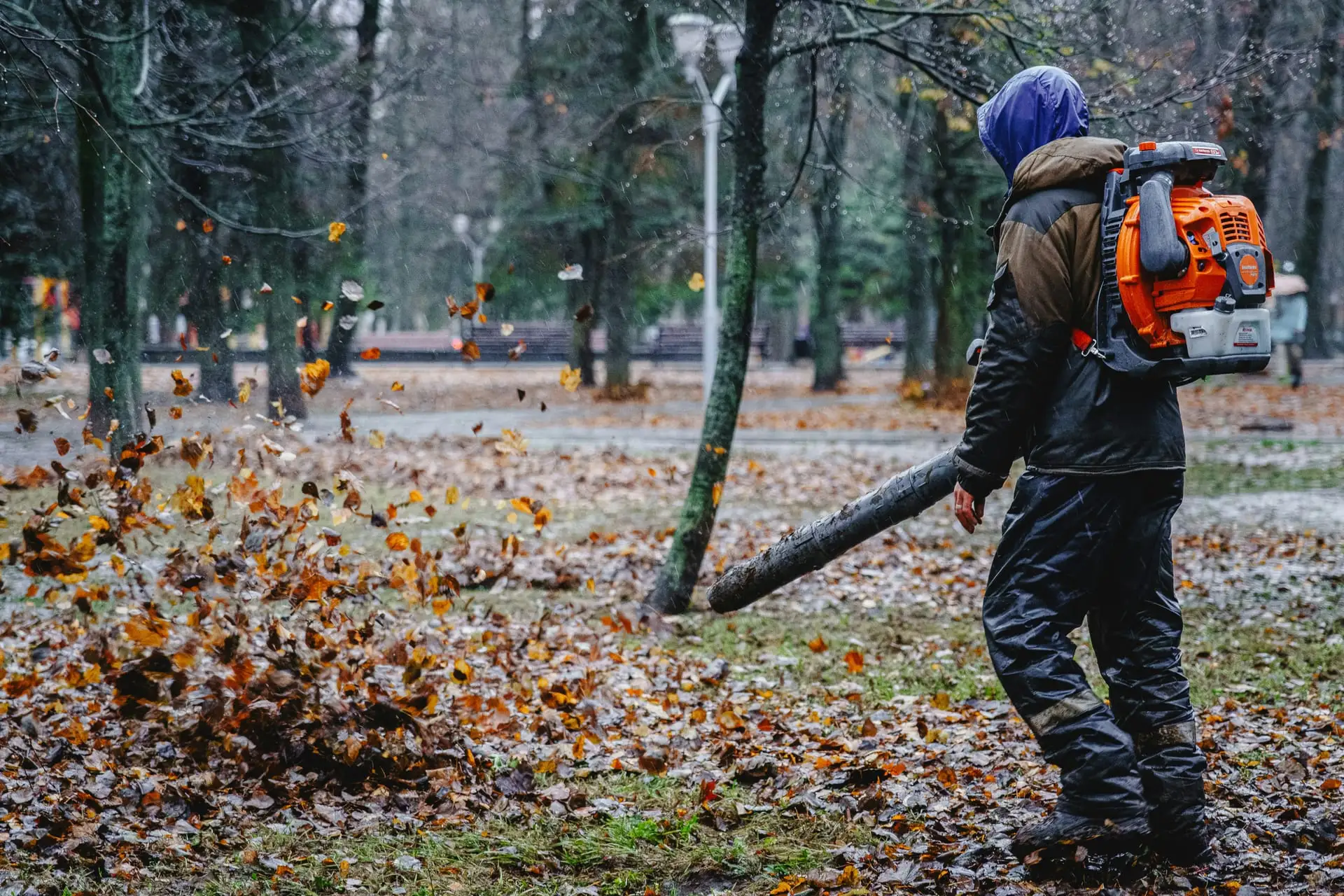
If you live under trees in Boerne, Fair Oaks Ranch, or Shavano Park, you already know what late fall looks like. The cedar elms, pecans, and red oaks let go over a few weeks, and suddenly the lawn, the beds, and the driveway are buried.
The question we get most is whether all of it really needs to be picked up. The honest answer is that it depends on how much falls and where it lands.
A quick note on the live oaks
People are often surprised that live oaks do not drop in the fall. They hold their leaves through winter and shed them in early spring as the new growth pushes the old leaves off. So if your yard is mostly live oak, your big cleanup is in March and April. The fall drop comes from everything else.
When mulching leaves is fine
A light layer of leaves is good for a lawn. Running the mower over them chops them into small pieces that settle down between the grass blades and break down over the winter, returning organic matter to soil that badly needs it.
A simple test: after you mow, you should still see plenty of green. If the chopped leaves disappear into the turf, you are fine to leave them.
When they need to come off
Once the drop gets heavy, mulching stops working. A thick layer of leaves, especially wet ones, blocks light and holds moisture against the grass. Leave that mat in place for a few weeks and the turf underneath thins out, and in St. Augustine it can set the stage for fall disease.
Leaves also need to come off:
- Hard surfaces, where wet leaves stain concrete and get slick.
- Gutters and downspouts, before the first real rain.
- Beds where they smother low plants or pile against the house.
- Pools and drains, for obvious reasons.
Timing the cleanup
One big cleanup at the very end of the season sounds efficient, but by then the lawn has often been covered for weeks. On heavily treed lots we usually do lighter passes during peak drop and a thorough cleanup once the trees are bare. Recurring maintenance visits make this easy, since we can clear leaves as part of each mow.
Put the leaves to work
Leaves are free organic matter, and Hill Country soil needs all it can get. A few ways to use them instead of hauling them all off:
- Shred them with the mower and spread them in planter beds as a winter mulch. Shredding keeps them from matting into a layer water cannot get through.
- Add them to a compost pile. Mixed with grass clippings or kitchen scraps, they break down into good soil by summer.
- Leave a shredded layer under shrubs and trees, pulled back from trunks and stems.
Avoid piling whole, unshredded leaves deep in beds. They mat down, stay wet, and can smother low plants. Keep any leaf mulch to a few inches and pull it back from stems, the same way you would with bed mulch.
Stains on concrete
Oak and pecan leaves contain tannins that leave brown leaf shaped stains when they sit wet on driveways and patios. Blowing hard surfaces clear every week or two during the drop prevents most of it. Fresh stains usually wash out. Older ones may need a cleaner and a pressure wash.
What we do with them
We blow the beds and hardscape, mulch what the lawn can handle, and bag and haul off the rest. You will not be left with a row of bags at the curb. Our leaf and yard cleanup service covers one time cleanups, and our recurring clients in Fair Oaks Ranch, Boerne, and Shavano Park get leaves handled as part of their regular visits.
If your trees are already starting to let go, call us at (210) 816-3562 and we will get you on the schedule before the heavy drop.