

Lawn care tips
Deer resistant plants that hold up in Boerne yards
By the Lawn & Order crew · · 3 min read
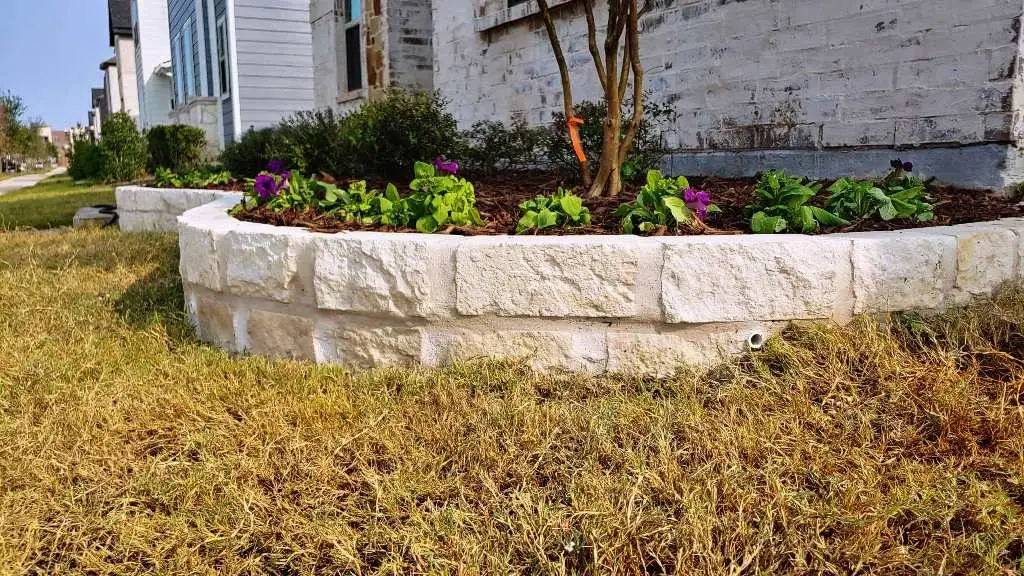
If you live in Boerne, Fair Oaks Ranch, or anywhere along the edge of the Hill Country, you have probably planted something nice in a front bed and found it chewed to the stems a week later. White tailed deer are part of life out here, and they are not shy about walking up to the porch.
You cannot keep them out of an unfenced yard. What you can do is plant things they would rather skip.
No plant is deer proof
It is worth saying up front. Deer preferences change with the season and with how much else there is to eat. In a wet spring with plenty of browse, they ignore plants they would strip bare in a drought. Young, tender growth gets sampled far more than mature plants.
So deer resistant means a plant deer usually leave alone. Expect some nibbling, especially on new plantings, and expect more of it in dry years.
Plants that tend to hold up
The Lady Bird Johnson Wildflower Center keeps a searchable list of deer resistant native species, and it is the best place to dig deeper. These are the ones we see doing well around Boerne and the northwest side of San Antonio.
Shrubs
Cenizo, also sold as Texas sage, has silver gray leaves and purple blooms after a rain. It is about as drought tolerant as shrubs get and is rarely touched. Agarita has spiny, holly like leaves that deer avoid, plus yellow spring flowers and red berries the birds go after. Rosemary keeps deer away with its scent, and both the upright and trailing forms do well in sunny, well drained beds. Autumn sage (Salvia greggii) blooms for months in red, pink, or white and pulls in hummingbirds.
Perennials and groundcovers
Texas lantana loves heat, blooms most of the year, and is mostly ignored by deer thanks to its rough, strongly scented leaves. Damianita forms a low, aromatic mound with yellow flowers and fits edges and rocky spots. Zexmenia and blackfoot daisy are small, tough, and happy in thin soil.
Grasses
Lindheimer muhly is a large native clumping grass with blue green foliage and soft plumes in fall. Deer rarely bother it. Gulf muhly is smaller and puts up pink plumes in autumn.
Aromatic, fuzzy, spiny, or tough leaved plants are the general pattern. Deer favor smooth, tender, high moisture leaves, which is why roses, pansies, and many bedding annuals get eaten first.
These lists are a starting point. Check with the Kendall County AgriLife office or a local nursery for what is working well this year, since deer pressure varies a lot from one neighborhood to the next.
Plant in fall
Fall is the main planting season in Central Texas. Soil is still warm, air is cooler, and fall and winter rain give roots months to grow before summer heat hits. A shrub planted in October or November usually goes into its first July with a much better root system than one planted in April.
That timing also helps with deer, since a well rooted plant recovers from a nibble much faster than one that is struggling to establish.
Protect new plantings
For the first season, even resistant plants can use some help:
- Use a repellent spray on new growth and reapply after rain.
- Put up a simple wire cage around young shrubs until they fill out.
- Group plants tightly instead of scattering single specimens. Deer are more likely to browse an isolated plant.
- Plant the most tempting things close to the house and the most resistant ones toward the street, where deer pass by.
Beds that work with the deer
A bed planted mostly with natives and deer resistant plants needs less water, less replanting, and less frustration. Prep matters as much as plant choice. In most of Boerne the soil is thin and rocky, so beds do better with a few inches of good soil worked in and a fresh layer of mulch on top.
Our bed restoration and mulch service handles the cleanup, soil, and mulch side of that work, and our crews in Boerne keep beds weeded and edged on recurring visits so new plantings get a clean start.
Thinking about redoing a bed this fall? Call us at (210) 816-3562 for a free estimate.