

Lawn care tips
Mulching planter beds in the fall: how deep, what kind, and what to avoid
By the Lawn & Order crew · · 3 min read
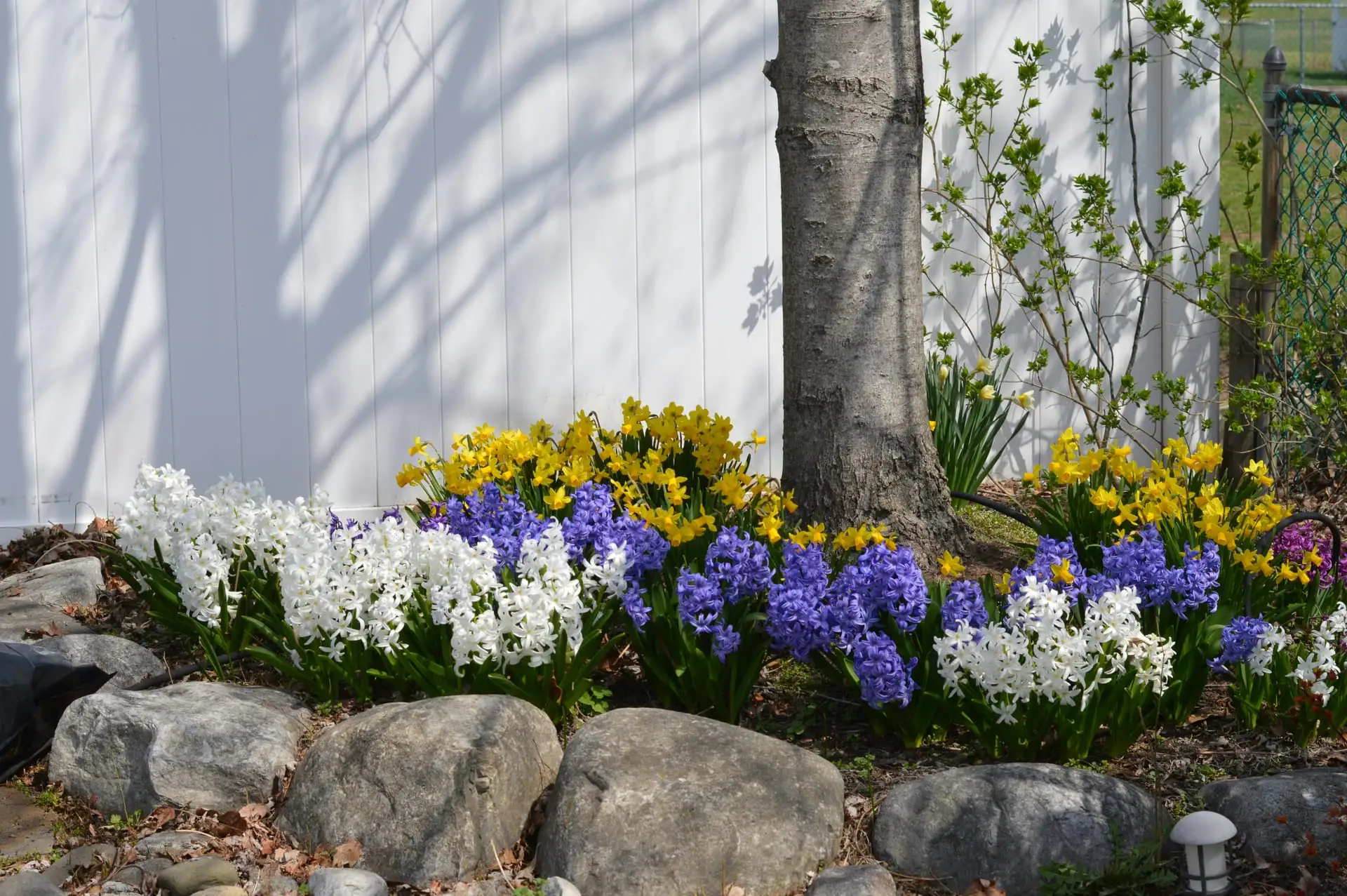
Planter beds take a beating over a Hill Country summer. The mulch fades and thins out, Bermuda creeps in from the lawn, and by fall the soil is showing through in patches. Early November is one of the best times to fix that.
Why fall mulch is worth it here
A fresh layer of mulch does a few jobs at once. It insulates the soil, which matters when a hard freeze comes through. It shades the bed surface, which keeps henbit, chickweed, and other cool season weeds from sprouting. And as it breaks down, it adds organic matter to soil that, in most of this corridor, is thin and rocky to begin with.
Fall is also the main planting season for shrubs and perennials in Central Texas. If you are adding plants this year, mulching right after planting protects the new roots through their first winter.
Get the bed ready first
Mulch is not a fix for a messy bed. Spread it over weeds and leaves and you will be pulling those weeds through the mulch in a month. Before anything goes down:
- Clear out fallen leaves, sticks, and dead annuals.
- Pull weeds by the root, especially grass runners creeping in from the lawn.
- Cut back spent perennials if you prefer a tidy look over winter.
- Recut the border between bed and lawn so it holds a line.
That last step makes a bigger difference than people expect. A clean, cut edge keeps the mulch in the bed and the grass out. We cover how it works in our post on what deep edging is.
How deep to go
Two to three inches of total depth is the target. That is enough to block light and hold moisture without smothering roots.
If the bed already has some mulch, measure what is left before adding more. A bed with an inch of old mulch needs about one to two inches of new. Piling fresh mulch on every year without checking is how beds end up with six inches of material that sheds water and suffocates the shrubs underneath.
Keep it off trunks and stems
This is the mistake we see most. Mulch heaped up against tree trunks, sometimes called a mulch volcano, holds moisture against the bark. Over time that invites rot, insects, and disease, and it can encourage roots to circle the trunk.
Pull mulch back a few inches from every trunk and shrub stem, so the base of the plant is visible. The same goes for the house. Keep mulch a few inches below the top of the foundation and clear of siding and weep holes.
Which mulch holds up best
Shredded hardwood or shredded native mulch is our usual pick. The fibers knit together, so it stays put on slopes and in heavy rain, which matters on a lot of Boerne and Fair Oaks Ranch lots.
Bark nuggets look nice and break down slowly, but they float. On a slope or near a downspout, they end up in the lawn after the first big storm. Rock and decomposed granite work for dry, xeriscaped areas, though they add nothing to the soil, get hot in summer, and make leaves harder to clear. Dyed black and brown mulch are popular for the clean, finished look. Expect the color to soften over a season of Texas sun, which is one more reason a yearly top off is worth it.
Whatever you choose, keep it consistent across the property. Mixed mulch types in neighboring beds look unplanned.
Top dressing the lawn while you are at it
If the lawn near the beds has thin spots or low areas, fall is also a reasonable time for a light layer of top dress soil, as long as the grass is still growing. Our mulch and top dress soil service handles both on the same visit, which keeps the whole property looking consistent going into winter.
Doing it on a schedule
Most beds need a full refresh about once a year and a touch up in between. On our recurring maintenance routes in Fair Oaks Ranch and the rest of the corridor, the crew keeps beds weeded and edged between those refreshes, so the mulch lasts longer and the beds never get away from you.
Want your beds cleaned up and mulched before winter? Call us at (210) 816-3562 for a free estimate.