

Lawn care tips
Your October lawn checklist for Boerne and North San Antonio
By the Lawn & Order crew · · Updated · 3 min read
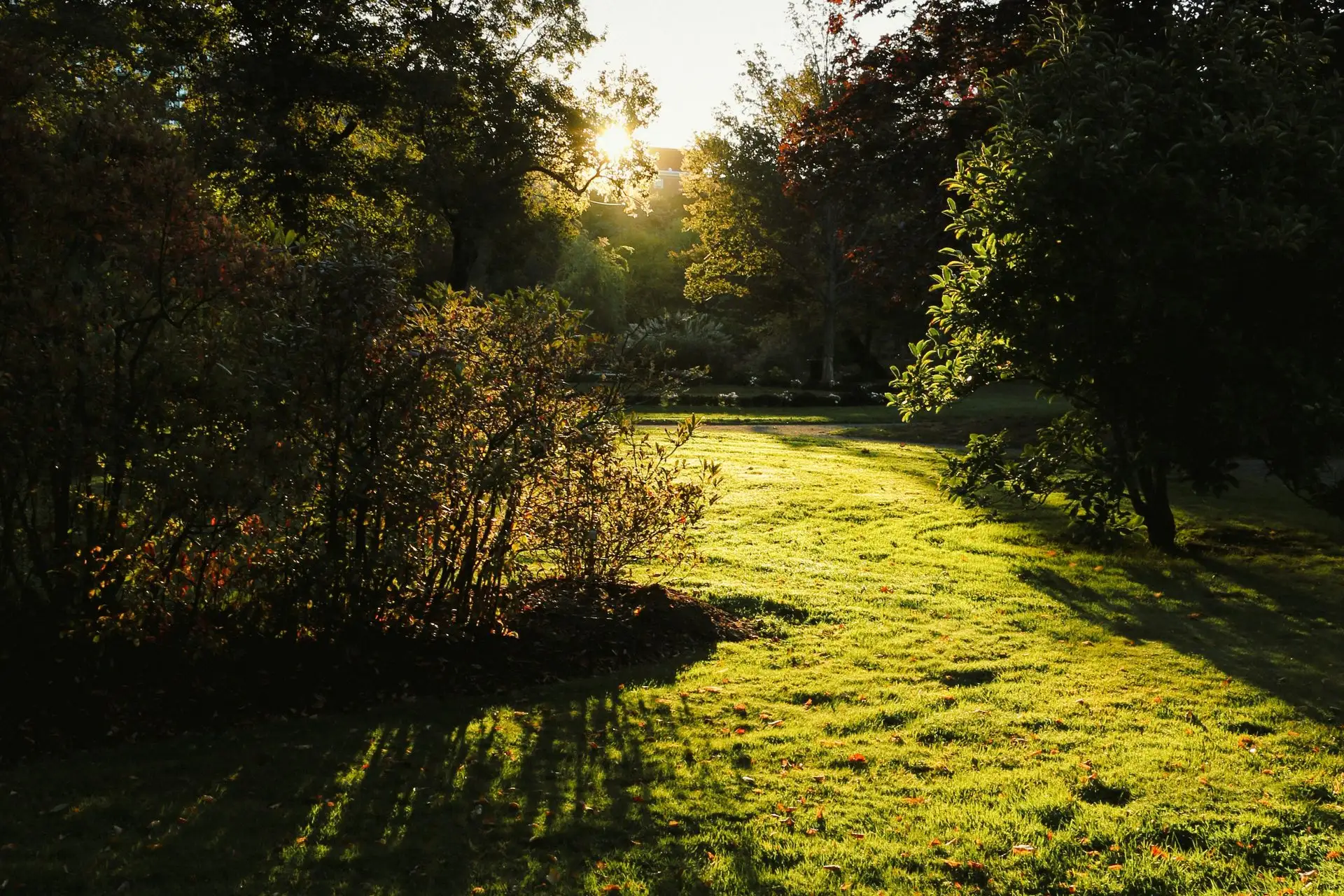
October is the month most homeowners stop thinking about the yard. The heat breaks, the grass slows down, and it feels like the hard part is over. It is actually one of the most useful months of the year, because what you do now decides how your lawn comes out of winter.
Here is the short list we work from on our Boerne, Fair Oaks Ranch, and North San Antonio routes.
Keep the mowing height up
St. Augustine and Bermuda both slow down as nights cool, but they are still growing. Resist the urge to drop the deck for a “last short cut.” A taller blade holds more energy going into dormancy and shades out the cool season weeds that are just starting to sprout.
We keep St. Augustine tall all the way through fall. Bermuda can stay a little shorter, but scalping it now leaves thin spots that weeds fill by February.
Water less, and water deeper
This is where we see the most trouble in October. Sprinkler timers set for August keep running in the fall, and the lawn ends up soggy in cool weather. That is exactly the condition fungus loves, which is why brown circles show up in St. Augustine this time of year.
Cut back how often you water and let the top of the soil dry between cycles. Check your water provider’s current rules too. Boerne and Fair Oaks Ranch run their own schedules, and north San Antonio is on SAWS, so the right answer depends on who bills you. Our post on watering rules in Boerne and San Antonio explains who covers what.
Feed for the roots, not the top
A fall feeding helps a warm season lawn store energy for spring. The trick is to go easy on nitrogen. A heavy dose now pushes soft top growth right as the weather turns, and that soft growth is the first thing disease goes after. Look for a fall blend that favors potassium, or ask us to handle it on our fertilization schedule.
Get ahead of winter weeds
Henbit, chickweed, and annual bluegrass germinate as the soil cools. A pre emergent applied early in the fall stops most of them before they ever show. If you missed that window, do not panic. We can spot treat what comes up through the winter with our weed control service and plan a better start next year.
Check the sprinklers while it is still warm
October is a good time to run each irrigation zone and look for problems before you cut the schedule back for winter. Look for broken or tilted heads, heads blocked by grass or shrubs that grew over the summer, and soggy spots that point to a leak. A small repair now saves water all winter and keeps a wet corner from turning into a fungus problem.
Do not let leaves sit on the grass
Cedar elms, pecans, and red oaks start dropping in late October and keep going into December. A mat of wet leaves blocks light and traps moisture against the turf, and a few weeks of that can thin a lawn badly. Mulching light leaf fall back into the grass is fine. Heavy drops should be cleared.
Plan bed work and pruning now
Fall is a good time to freshen mulch, clean up planter beds, and shape shrubs before they go dormant. It is also a safe window for oak work, since the beetles that spread oak wilt are far less active now than in spring. We wrote more about that in why we never prune oaks in spring.
Look ahead to November
The first freeze usually reaches Boerne and the higher ground before central San Antonio, often in November. Before it does, know where your backflow preventer is, find a cover for it, and make a list of any tender potted plants that will need to come inside. It is much easier to sort that out on a mild October afternoon than the night a freeze warning goes out.
If you would rather have all of this handled for you, it is what our recurring maintenance plans cover for clients in Boerne and across North San Antonio. Call us at (210) 816-3562 for a free quote.