

Lawn care tips
Oak wilt in the Hill Country: why we never prune oaks in spring
By the Lawn & Order crew · · Updated · 3 min read
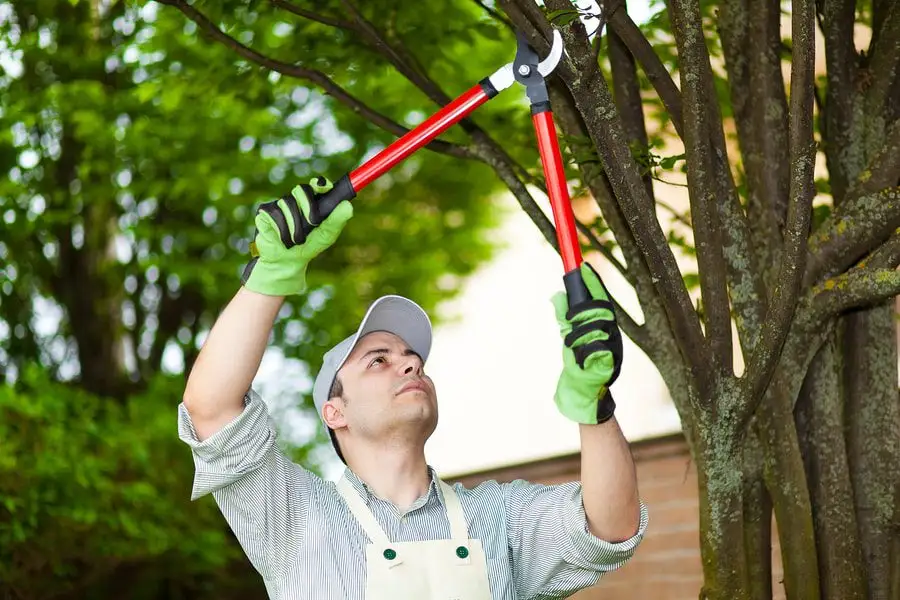
The mature live oaks are a big part of what makes properties in Boerne, Fair Oaks Ranch, and Shavano Park special. They are also under a constant threat that a lot of homeowners do not know about until it is too late: oak wilt.
What oak wilt is
Oak wilt is a fungal disease that spreads through the root systems connecting nearby oaks, and it also gets carried tree to tree by small beetles. Those beetles are drawn to the fresh sap of a recent pruning cut. Once a tree is infected it often cannot be saved, and the disease can move through a whole stand of connected oaks.
Live oaks and red oaks spread it differently
The two oak groups common around Boerne play different roles.
Live oaks grow in connected groups. Their roots graft together underground, so the fungus moves from one tree to the next through the roots. That is how oak wilt creates the expanding pockets of dead and dying live oaks you see along some Hill Country roads.
Red oaks, including Texas red oak and Shumard oak, are the most vulnerable. They usually die within weeks of infection. Infected red oaks can also grow fungal mats under the bark, which give off a sweet smell that attracts the sap beetles. Those beetles then carry spores to fresh wounds on healthy oaks. That is why one diseased red oak can start a new infection center far from the original one.
Signs to watch for
- Leaves on live oaks with yellow or brown veins while the rest of the leaf stays green. This is called veinal necrosis and is the most telling sign.
- Heavy leaf drop from a live oak in spring or summer, outside its normal early spring shed.
- Red oaks that wilt and turn reddish brown from the top down, often in late spring.
- A group of neighboring live oaks that decline one after another.
Other problems can look similar, so a lab test or an arborist visit is the way to confirm it.
Why timing matters
The beetles that carry oak wilt are most active from February through June. A fresh cut during that window is an open invitation. That is why the rule we hold to is simple: we do not prune oaks between February and June. When a limb genuinely cannot wait, storm damage for example, we seal the cut immediately to protect it.
If you have oaks that need work, the safest time is the dead of winter or the heat of late summer, when beetle activity drops off. Any cut, any time of year, should be sealed on an oak.
The same goes for wounds that are not pruning cuts. A trunk scraped by a mower, a limb torn in a storm, or bark damaged during construction is just as attractive to the beetles. Paint those as soon as you see them.
Firewood and other ways it travels
Oak wilt can also travel in firewood. Wood from a red oak that died of oak wilt can carry fungal mats for a while after it is cut. Buy firewood that is well seasoned, keep unknown oak wood away from your trees, and cover any stacked oak wood with a tarp tucked tightly around the base so beetles cannot get in or out.
If you have a confirmed infection, the Texas A&M Forest Service and certified arborists can advise on trenching to cut root connections between trees, and on fungicide injections for valuable live oaks. Both work best when started early.
How we protect your trees
When we shape hedges and do tree trimming on your property, we work around your oaks on purpose. We keep our scheduled tree work off oaks in the risk window, we seal cuts when work is unavoidable, and we clean our tools between properties.
Mower and trimmer damage around the base of an oak matters too. A scraped trunk from a careless pass is an open wound, and it is completely avoidable. On our hedge and shrub trimming visits in Fair Oaks Ranch, Boerne, and Shavano Park, the oak calendar decides when cutting happens.
It is a small discipline that protects trees that took decades to grow. If you are worried about an oak on your lot, call us at (210) 816-3562 and we will take a look.