

Lawn care tips
Should you overseed with winter ryegrass? Bermuda yes, St. Augustine no
By the Lawn & Order crew · · 4 min read
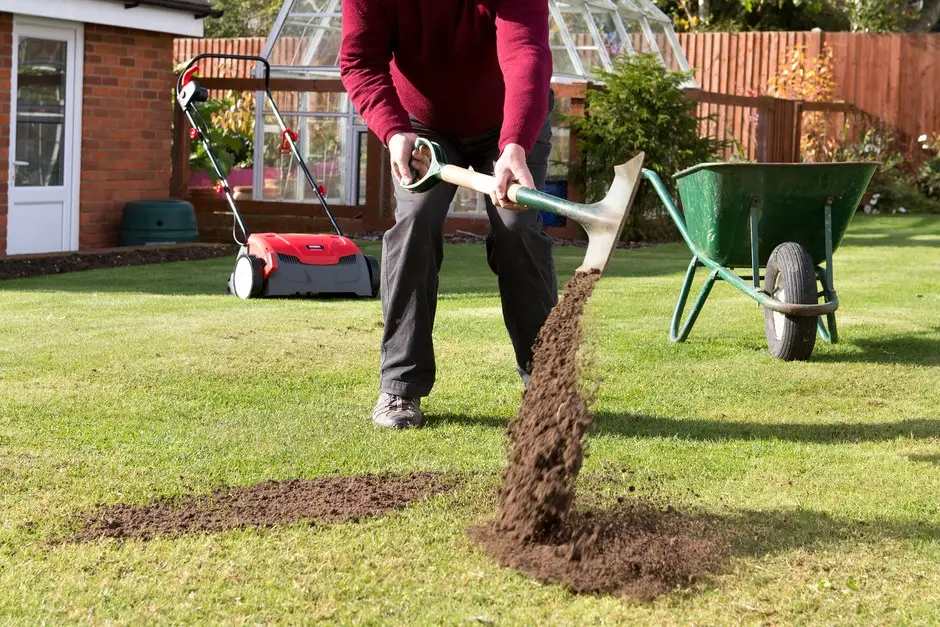
Every fall a few neighbors on each street end up with bright green lawns in January while everyone else’s grass has gone tan. That green is almost always winter ryegrass, seeded over a dormant Bermuda lawn in October.
It looks great. It also takes work, costs water, and is the wrong move for a lot of yards in this area. Here is how to decide.
What overseeding does
Our main lawn grasses, St. Augustine and Bermuda, are warm season grasses. They grow hard from spring through fall, then go dormant and turn tan after the first freezes. Ryegrass is a cool season grass. It grows in the cool months and dies when summer heat arrives.
Overseeding means spreading ryegrass seed over your existing lawn in fall. The ryegrass carries the color through winter, then fades in late spring as the Bermuda wakes up underneath. Done right, the handoff is hard to notice.
Bermuda: a good candidate
Bermuda is the grass that overseeds well. It is low growing, it greens up aggressively in spring, and it can take the competition when the ryegrass is still hanging on in April and May.
If you have an open, sunny Bermuda lawn and you want color for the holidays or for a winter event, overseeding is a reasonable choice. Just go in knowing it adds a second mowing season. Ryegrass grows through winter, so the lawn will need cutting through months when it would otherwise be resting.
St. Augustine: skip it
St. Augustine is the most common lawn under the oaks in Fair Oaks Ranch, Boerne, and Shavano Park, and it is a poor candidate for ryegrass. The problem shows up in spring. St. Augustine is slow to come out of dormancy, and a thick stand of ryegrass shades it and competes for water and nutrients right when it is trying to recover.
The result is often a thin, patchy St. Augustine lawn by late May. On shaded lots, which already push St. Augustine to its limit, the damage can last into summer. If you want winter color on a St. Augustine property, put it in pots and planter beds instead.
When to seed
Timing matters more than the seed itself. Seed too early and the Bermuda is still growing strong enough to choke out the young ryegrass. Seed too late and cold nights slow germination.
Around Boerne and North San Antonio, the usual window is mid October to early November, once daytime highs settle into the 70s and nights cool off. Boerne and the higher ground to the north tend to cool a little sooner than central San Antonio, so lean toward the earlier end there.
How to do it
- Mow the Bermuda shorter than usual and bag the clippings. The seed has to reach the soil, not sit on top of a mat of grass.
- Rake or blow out heavy thatch and leaves.
- Spread the seed evenly at the rate on the bag. Going over the lawn in two directions helps avoid stripes.
- Water lightly and often until the seed sprouts, usually about a week to ten days, then back off to normal watering.
- Hold the first mow until the ryegrass is tall enough for the mower to cut it cleanly instead of pulling it.
Perennial ryegrass costs more than annual ryegrass but gives a finer, darker lawn. In this climate both die out in summer, so the “perennial” label does not mean it will stick around.
Check your water rules and your sewer bill first
New seed needs frequent watering for the first week or two. Before you buy seed, check your provider’s current drought stage. Depending on the stage, the extra watering may not be allowed.
There is a cost angle too. SAWS bases residential sewer charges on your average winter water use, measured from about mid November to mid March. Watering a new ryegrass lawn through that period raises the average, and the higher sewer charge sticks for the following year. If you are in North San Antonio on SAWS, factor that in. Boerne and Fair Oaks Ranch run their own utilities, so ask yours how sewer is billed.
Spring transition
The handoff back to Bermuda is where overseeded lawns go wrong. As temperatures climb in April, gradually lower your mowing height. That opens up the canopy so the Bermuda gets sun and pushes through. Hold off on heavy feeding until the Bermuda is actively growing, so you are not fueling the ryegrass.
Our take
For most of our clients, we recommend letting the lawn go dormant. A dormant lawn that has been fed and mowed right in fall comes back strong in spring and costs nothing to carry through winter. If you have Bermuda and want the color, it can be done well. For anything involving seed, feeding, or aeration and fertilization, we are happy to look at your lawn first.
If you are not sure which grass you have, our guide to the best grass for Boerne and San Antonio yards covers how to tell them apart. Call us at (210) 816-3562 with questions.